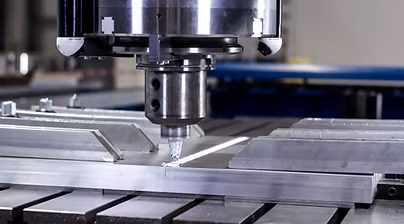
What is friction welding?
In friction welding, Friction Stir Welding or also known as Stir Friction Welding a rotating tool with a special geometry – consisting of a pin and a shoulder – is pressed into the abutting edges of the workpieces to be joined. The friction between the tool and the material generates heat, which plasticizes the material (it becomes soft without melting). Under high pressure and the rotation of the tool, the material is stirred along the weld line, forming a strong bond.
The Friction Stir Welding Process
- Plunging: The tool is plunged into the weld joint.
- Stirring: The rotating tool moves along the joint and stirs the plasticized material.
- Cooling: The tool is removed, and the material cools, forming a strong bond.

The Friction Stir Welding Tool
The tool for the friction welding process typically consists of a rotating pin or probe configuration that is inserted into the material to be joined. The tool's geometry is crucial for the welding process, as it influences the frictional heat and the plastic deformation of the material. A typical tool for friction stir welding has a conical tip, which allows for good mixing of the materials to be welded.
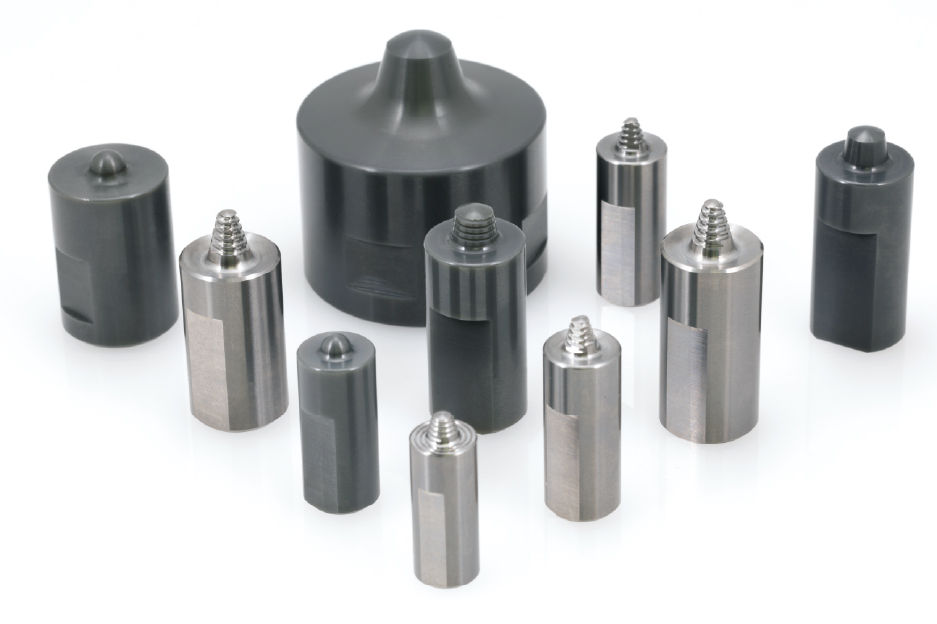
The materials to be welded using friction stir welding can be of various types, including aluminum, steel, titanium, or magnesium alloys. Since these materials often exhibit high strength and/or specific properties, it is important that the tool is correspondingly robust and heat-resistant. Furthermore, the tool's geometry must be chosen to create a good bond between the materials without producing defects such as voids or cracks. With the correct design and selection of the tool, high-quality welded joints can be produced that meet the requirements in various industries.
Materials
Friction welding allows a wide range of materials to be joined. These include metallic materials such as aluminum, steel, copper, and titanium. Plastics like polyethylene, polypropylene, and PVC can also be joined using friction welding. The high temperatures and pressure generated during friction welding also enable the joining of materials that would normally be considered unweldable.
In the aerospace industry, friction stir welding of aluminum and titanium is primarily used.
The Advantages of Friction Welding
Friction stir welding offers several advantages over conventional welding processes, especially for materials like aluminum alloys, which are often difficult to weld:
- No Melting and Less Distortion: Since the material is not melted, there are fewer stresses and distortions.
High Weld Seam Strength: Because the material is joined in a solid state rather than melted, it creates pore-free, homogeneous connections with high strength. This is crucial for the load-bearing capacity of components in aerospace.
- Environmentally Friendly: No shielding gases or filler materials are required, making the process more environmentally friendly.
- Broad Material Compatibility: Particularly well-suited for light metals such as aluminum, but also for copper, titanium, and magnesium.
Friction Stir Welding in the Aerospace Industry
For decades, riveting has been the standard for joining lightweight structures in the aerospace industry, but it comes with several drawbacks: high material consumption, additional weight, and increased costs are inherent to this joining method. This is precisely where Friction Stir Welding (FSW) offers an innovative alternative. Using a rotating tool, FSW plasticizes the two sheet metal components to be joined, connecting them seamlessly and without material overlap, all without melting. This results in high-strength, pore-free joints that surpass riveted connections in terms of strength and lightweight construction – a crucial advantage for aircraft manufacturers.
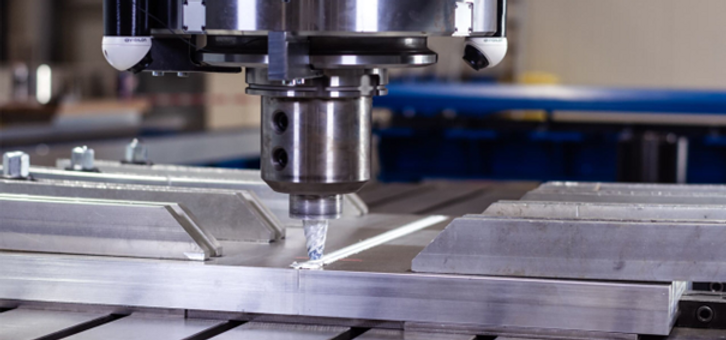
Areas of Application
- Aircraft Fuselage:
Aluminum alloys commonly used in aircraft construction can be reliably joined with FSW, enabling the production of lightweight
and robust aircraft fuselages.
- Fuel Tanks and Wings:
The dense and pore-free joining technology is ideal for components under pressure, such as fuel tanks or wings.
- Satellites and Aerospace Technology:
In aerospace, complex material combinations and specific demands on material strength are common. Friction stir welding has gained traction here due to its precision and reliability.
Challenges and Drawbacks in Application
Despite the numerous advantages, there are also drawbacks to friction welding that need to be overcome:
- Material selection:
Not all materials are equally well suited for friction stir welding.
- Investment costs:
FSW machines and tools are expensive, which often makes smaller businesses hesitant to adopt this technology.
- Automation:
Integrating it into highly automated manufacturing processes requires technical expertise and adaptations.
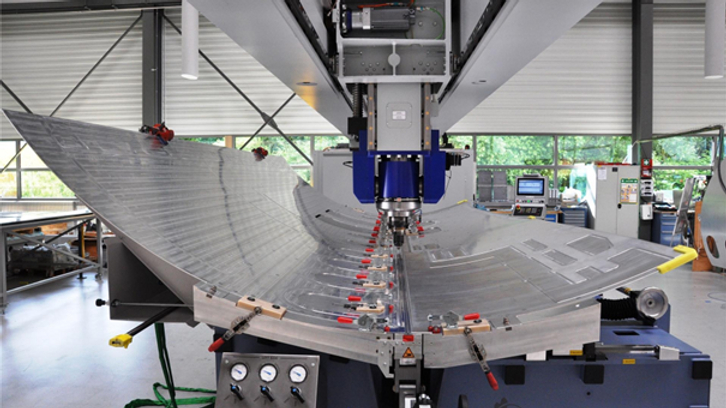
Conclusion - A Greener Future
Since friction stir welding does not involve melting, it requires less energy and contributes to reducing CO₂ emissions in manufacturing. This process promotes more sustainable production and supports the aerospace industry on its path towards more environmentally friendly technologies.
Friction stir welding opens up new possibilities for aerospace companies: The technology not only enables the production of more stable and lighter aircraft, but also optimizes production processes economically and environmentally – a true advancement compared to conventional riveted joints.
Explore the topic further on the relevant section pages:


.avif)